中文
中文 English
 Spanish
 Arabic





So, how significant is the impact of soiling loss? Let’s take a look!
Does soiling loss only reduce power generation?
Of course not. Soiling loss hides multiple safety risks:
Impaired Heat Dissipation: Dust coverage increases thermal resistance. For every 1°C rise in temperature, module output power may decrease by about 0.5%.
Hot Spot Effect: Local shading causes localized overheating, which may directly damage solar panels and create safety hazards.
Chemical Corrosion: In certain regions, dust is corrosive and may erode module surfaces, affecting service life.
Are photovoltaic power stations around the world affected by soiling loss?
Soiling loss is a common challenge faced by photovoltaic power stations globally. However, based on solar radiation intensity and the distribution of global dust belts, the severity of soiling loss varies significantly by region.
What deserves particular attention is that regions with high photovoltaic power generation potential are often the ones most susceptible to soiling loss.

Figure 1 Global Photovoltaic Power Generation Potential (kWh/kWp) (© 2017 The World Bank, Solar resource data: Solargis.)
As shown in Figure 1, regions such as North Africa, the Middle East, western China, the southwestern United States, Mexico, southern Europe, Australia, and the east and west coasts of South America possess the world’s strongest solar radiation intensity and longest sunshine duration. These areas have become the primary development zones for large-scale photovoltaic projects.

Figure 2 Global Dust Sensitivity
Figure 2 illustrates the severity of dust storms across different regions worldwide. The dark areas in both figures overlap significantly, indicating that regions most suitable for building large-scale solar power stations are also more prone to dust pollution. These areas require more frequent cleaning and often face harsher conditions, including higher temperatures and water scarcity.
How much power generation can soiling loss reduce?
According to estimates by the International Energy Agency (IEA), power generation losses caused by dust accounted for at least 3%–4% of annual global photovoltaic output in 2018, equivalent to economic losses of approximately €3–5 billion. By 2023, these losses were expected to rise to 4%–5%, or €4–7 billion.

Figure 3 Economic Value of Soiling Loss in Photovoltaic Power Generation in Major Countries (2018 & 2023)
On one hand, as more photovoltaic power stations are built and operate over longer periods, the soiling loss issue becomes more prominent, leading to greater economic losses. Moreover, as photovoltaic module conversion efficiency continues to break records in recent years, the impact of dust accumulation becomes increasingly significant.
On the other hand, global electricity purchase prices continue to decline, while manual module cleaning costs are rising. According to IEA statistics, the annual cost of manually cleaning 1 MW of modules in India can reach as high as €1,000. This further reduces the willingness of power stations to clean frequently, exacerbating dust accumulation.
A More Reliable, Cost-Effective, and Worry-Free Solution
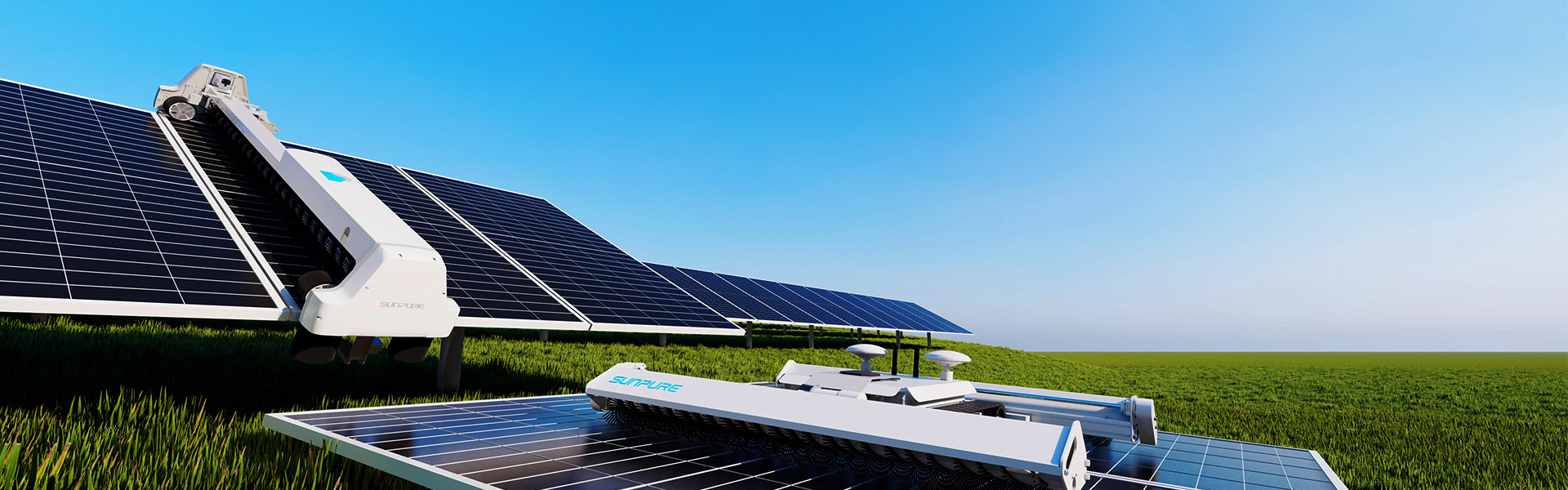
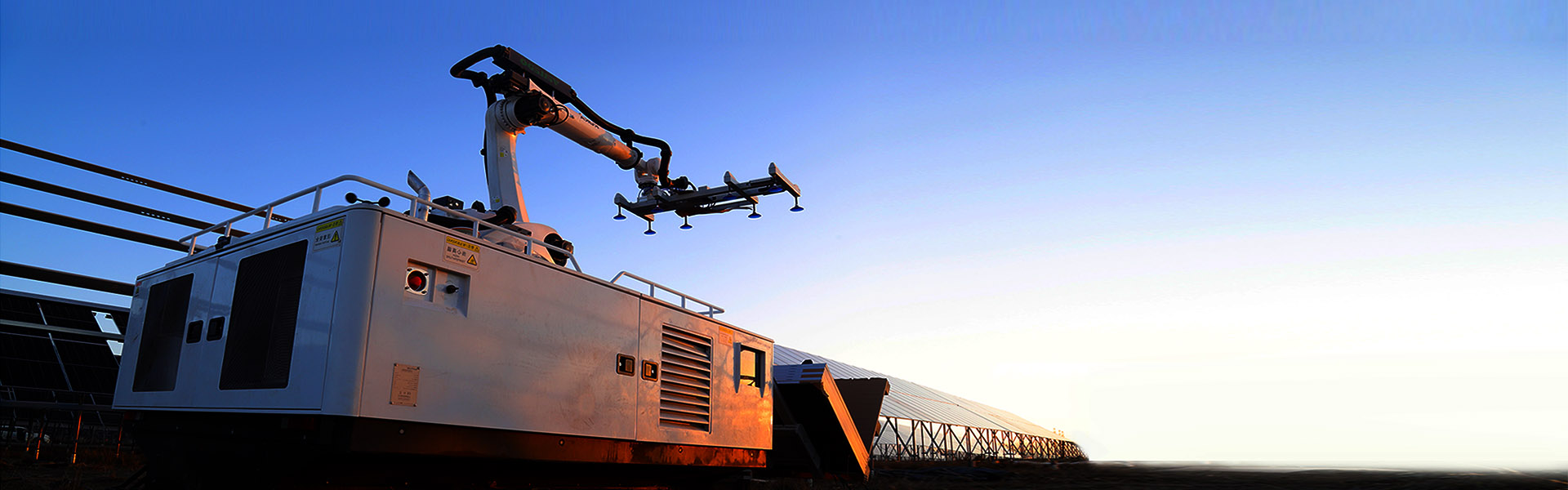
Addressing the challenge of soiling loss is urgent. Practical experience shows that operation and maintenance tasks in large-scale photovoltaic power stations are demanding. Traditional manual cleaning methods are costly, labor-intensive, water-consuming, and carry safety risks. Intelligent photovoltaic cleaning robots offer an efficient and economical solution.
Renjie Intelligent photovoltaic cleaning robots can intelligently integrate with meteorological data and achieve unattended operation through remote automatic control, performing water-free cleaning around the clock, fully automatically. This greatly reduces operational difficulty and risks. Currently, Renjie cleaning robots have been successfully deployed in photovoltaic power stations across 14 countries and regions, including China, the Middle East, India, and South America, covering a total installed capacity of over 11 GW. They effectively help power stations address soiling loss challenges and increase power generation.