中文
中文 English
 Spanish
 Arabic





According to data from the International Renewable Energy Agency (IRENA), global cumulative photovoltaic installed capacity reached an astonishing 626 GW by the end of 2019. Mainstream institutions generally estimated that global newly installed photovoltaic capacity in 2020 would exceed 100 GW. From this perspective, it can be reasonably expected that by the end of 2020, global cumulative photovoltaic installations would likely surpass 700 GW, with China’s cumulative capacity approaching 250 GW—accounting for nearly one-third of the world’s grid-connected total. In the future, ensuring efficient and stable operation of photovoltaic systems will require increasingly refined and professional operation and maintenance management.

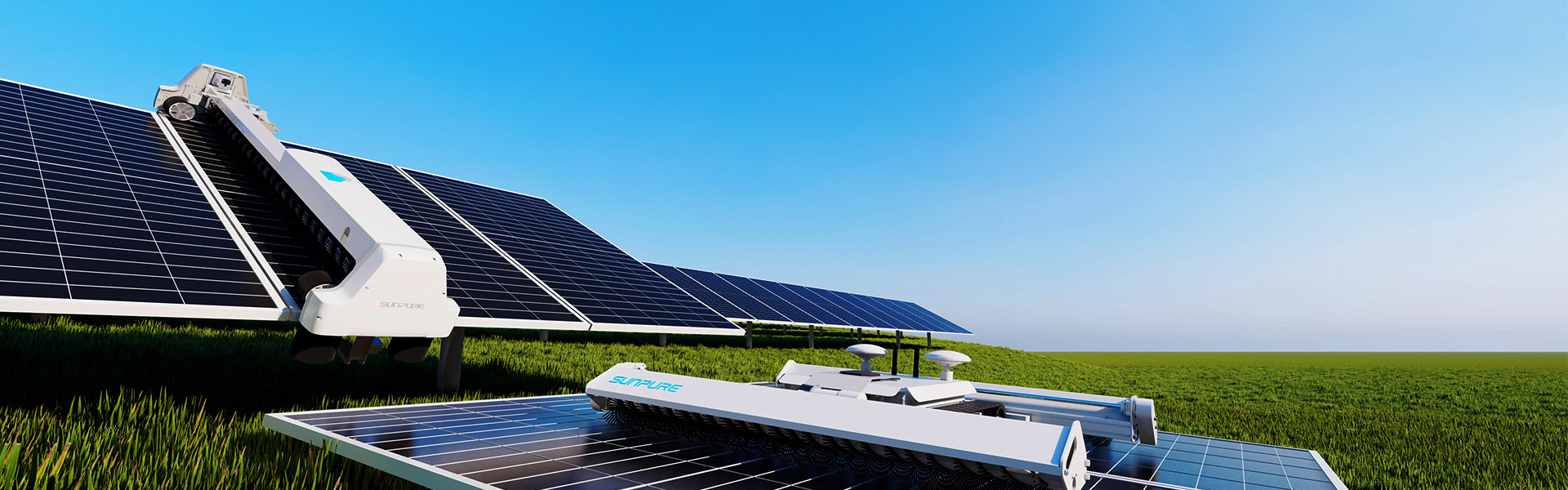
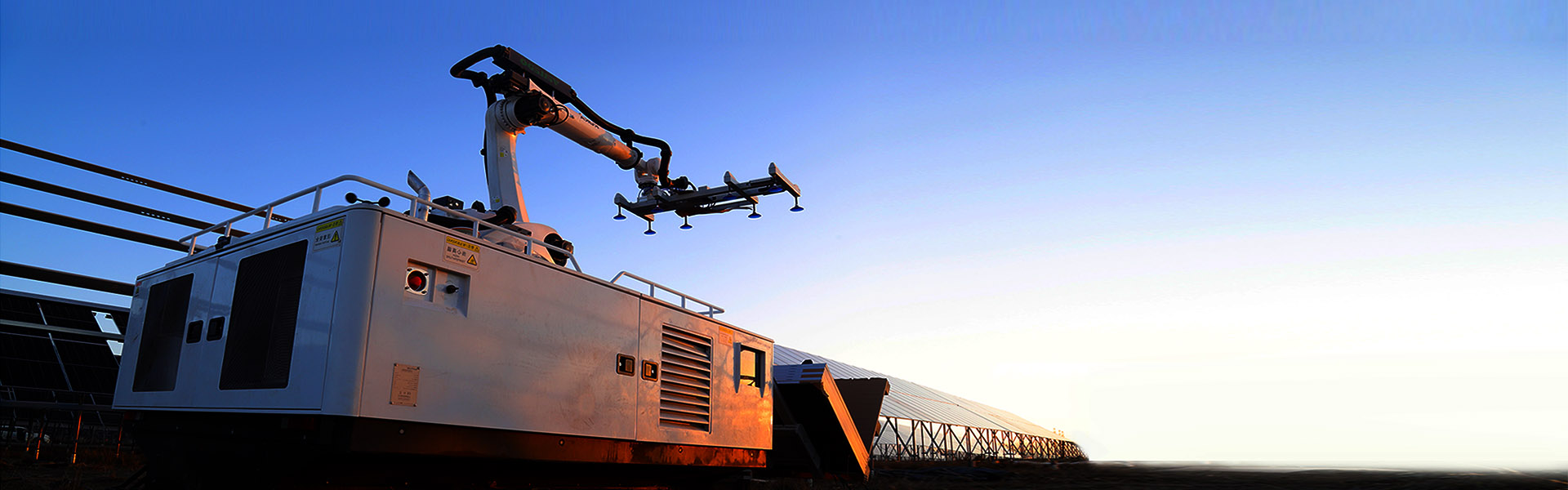
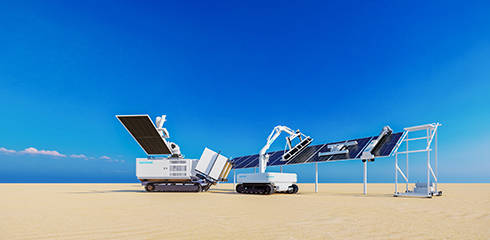
According to the reporter’s investigation, there are currently three main methods for cleaning photovoltaic modules on the market: manual cleaning, high-pressure cleaning vehicles, and robotic cleaning. As Hu Yuran explained, manual cleaning not only increases shading during the cleaning process—reducing sunlight absorption efficiency—but may also cause deformation or damage to photovoltaic modules due to improper operation. High-pressure cleaning vehicles store water in tanks, use booster pumps to pressurize intake and discharge, and then spray low-pressure, high-speed water jets through nozzles for cleaning. While this method reduces the number of workers required compared to fully manual cleaning, it places high demands on site location, layout, and water supply, making it suitable only for certain qualified power stations. Robotic cleaning, on the other hand, can effectively remove dust and debris from module surfaces while adapting to weather conditions to perform rapid and comprehensive cleaning. Robots can also operate continuously to reduce operational costs. According to data provided by Hu Yuran, using Renjie Intelligent’s PR100 cleaning robots delivers a comprehensive return on investment 1.5 to 4 times higher than manual cleaning under the same cost conditions, bringing more substantial economic benefits to plant owners.

It is understood that Renjie Intelligent’s equipment has undergone more than four years of dedicated research, along with rigorous environmental, lifespan, and reliability testing, as well as extensive real-world power station validation. The products feature high reliability, strong obstacle-crossing capability, and intelligent operation. Once launched, they quickly gained the favor of multiple power station owners.